
Location depends on memory
In large storage areas with high racks, drivers rely on experience to identify target locations, making recognition vulnerable to visibility and memory.
Experience-dependentConnect pallets and storage locations to WMS with forklift-mounted RFID. Capture and verify receiving, put-away, relocation and dispatch at the point of work, reducing stop-and-scan steps and delayed updates.
INDUSTRY PAIN POINTS
Forklifts still handle much of the movement inside warehouses. When identification, task and inventory data are disconnected, drivers must stop to scan and search for locations, while system records lag behind the movement of goods.
In large storage areas with high racks, drivers rely on experience to identify target locations, making recognition vulnerable to visibility and memory.
Experience-dependentGoods may already have moved before the system is updated. Inventory discrepancies are then found and corrected during later stocktakes.
Data gapThe system shows stock at a location, but the goods are missing on site. Drivers and warehouse staff must repeatedly coordinate, review records and verify the location.
Coordination gapRepeated stop, scan and restart steps lengthen operating cycles and add safety concerns as drivers get on and off the forklift.
Workflow efficiency and safetyAI FOR PROCESS
Trusted RFID reads and WMS task data bridge operational and coordination gaps. Data is captured on site and checked against business rules; warehouse staff and domain experts handle exceptions. Reviewed outcomes feed back into reusable workflow rules and organizational knowledge.
RFID tags give pallets, racks and floor-stacked goods machine-readable identities, along with identifiers for their target locations.
An integrated reader combines distance and height sensing to capture tag and operation data while goods are picked up or placed.
The in-vehicle application connects to WMS tasks and matches identified goods and locations against each task.
Drivers, warehouse staff and on-site experts assess unreadable tags, task mismatches and other exceptions, keeping human confirmation where it is needed.
Operational results update inventory and locations. Reviewed exceptions, tag maintenance and business decisions are captured in data and rules to improve the next workflow cycle.
SOLUTION CAPABILITIES
Configure identification hardware and in-vehicle applications for forklift operations, then connect to WMS, ERP or third-party systems through project-specific interfaces.
Reader, antenna and sensors are integrated with distance and height sensing. An aluminum housing and POM protective components are designed for warehouse conditions.
The in-vehicle tablet presents tasks and RFID results, guiding drivers through receiving, put-away, relocation and dispatch based on WMS tasks.
Matched RFID reads and business tasks are sent back to the system, reducing duplicate entry and keeping on-site operations aligned with inventory status.
INDUSTRY SCENARIOS
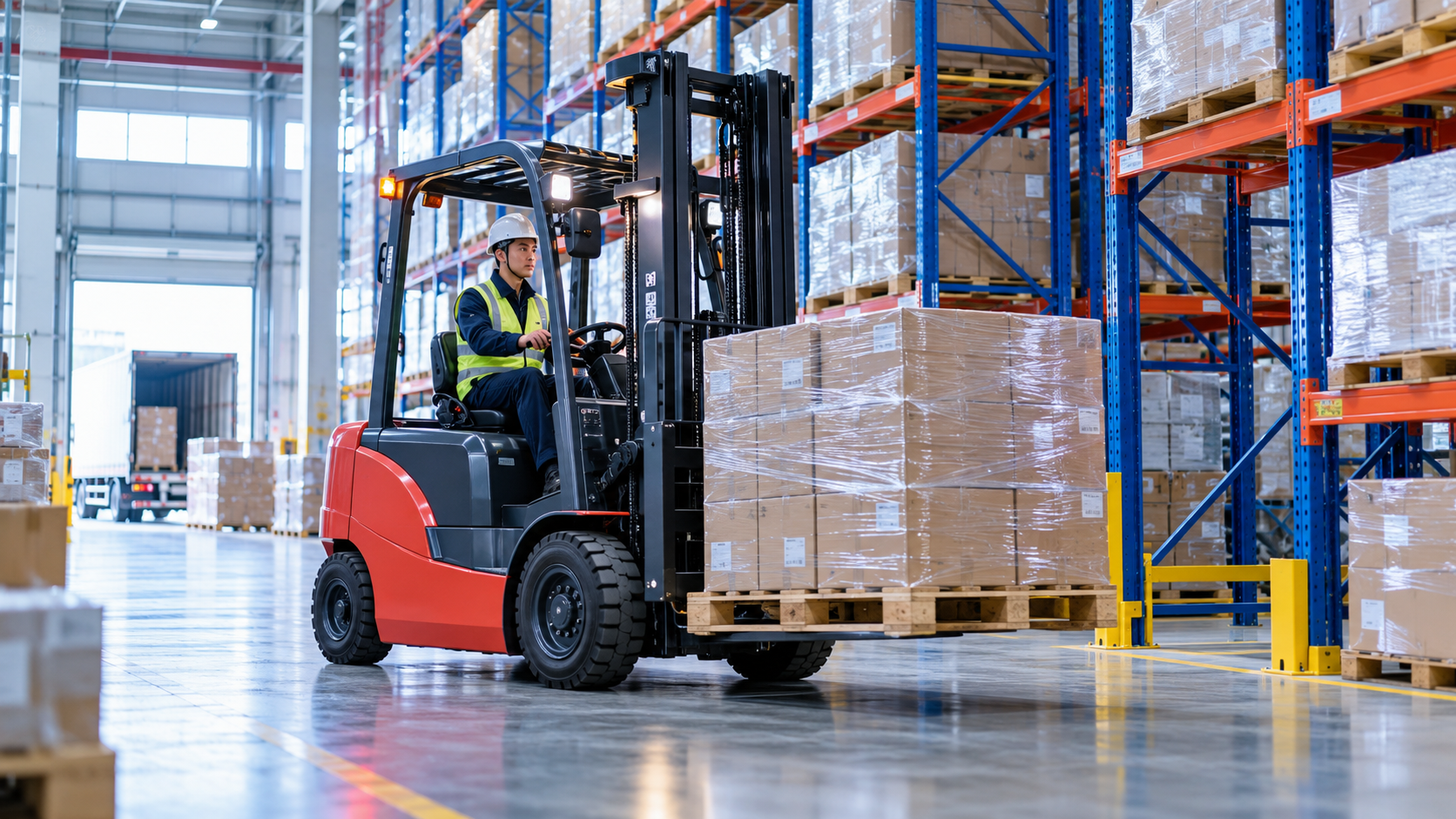
For full-pallet inbound and outbound operations, connecting receiving, put-away, relocation, picking and dispatch tasks.
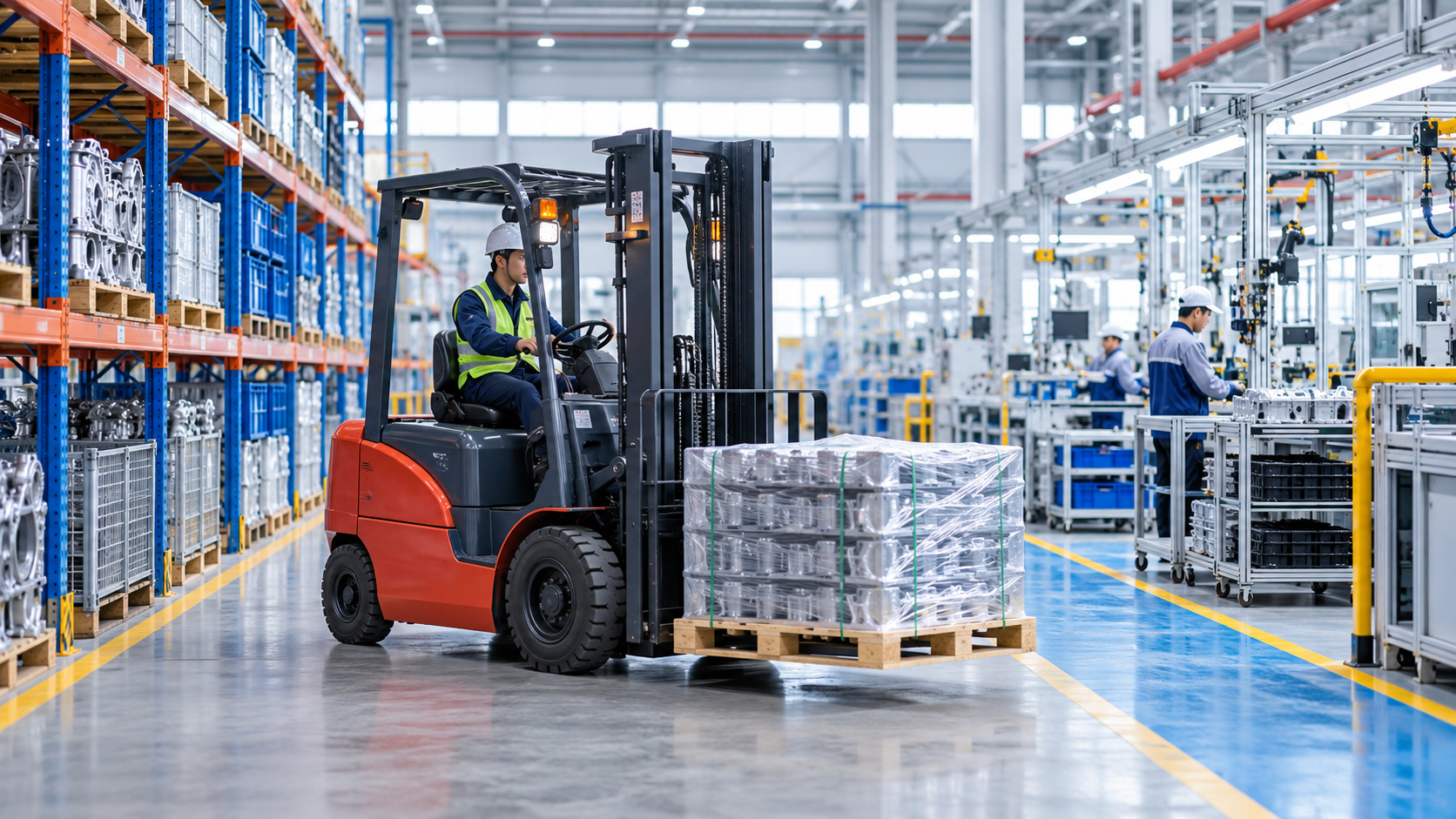
For material warehouses handling full-pallet storage, line-side delivery or piece picking after pallet storage.
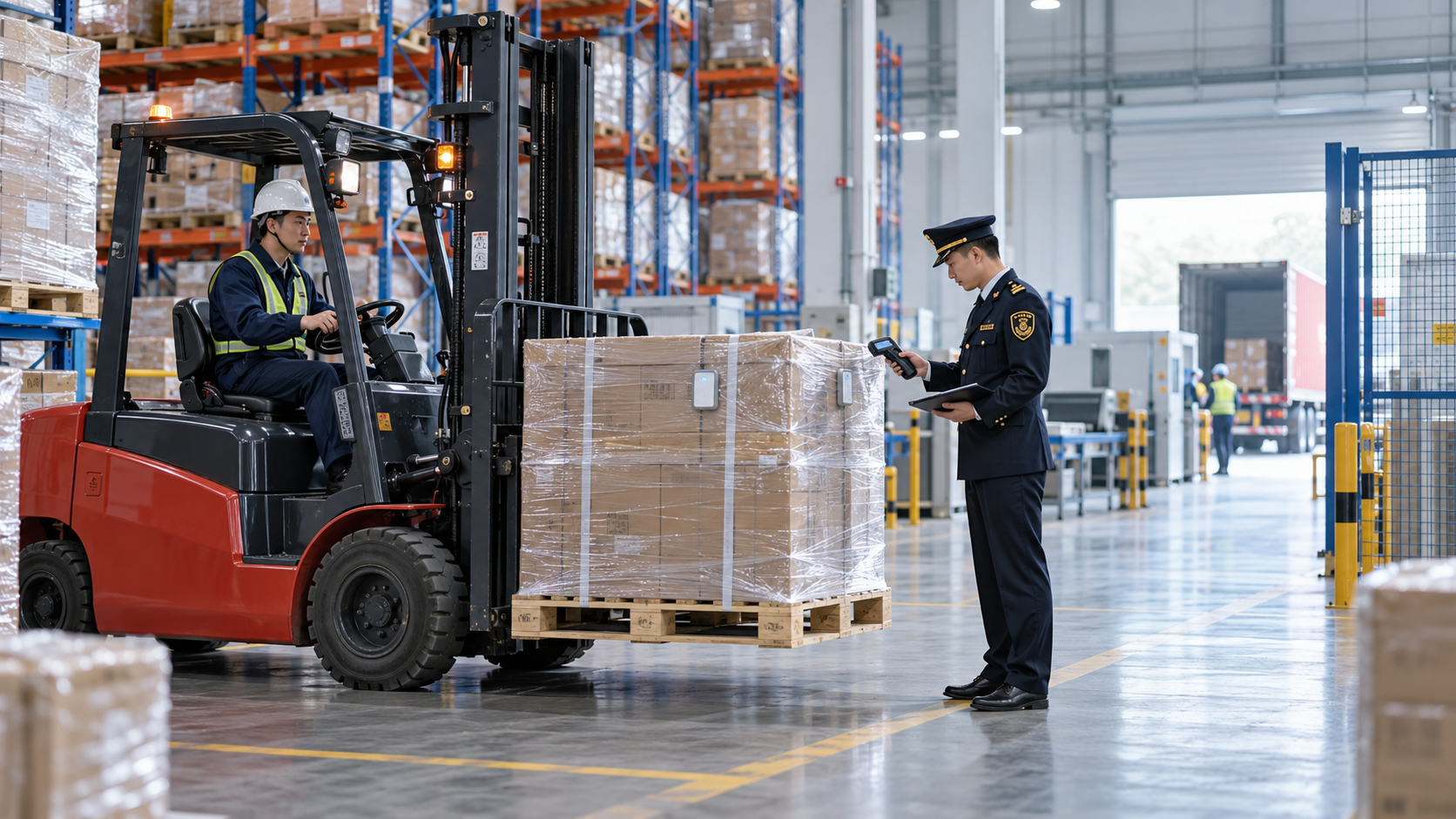
Coordinate warehouse management, handheld devices and location systems to support goods inspection and inbound/outbound records.
CUSTOMER STORIES
Warehouse operations · Productivity in practice
Connect forklift RFID, portal readers, handheld terminals and location devices through the warehouse system, creating reviewable records for inbound, in-storage and outbound operations.
SOLUTION CONSULTATION
Plan around warehouse workflows and operating goals to define suitable use cases, RFID coverage and on-site coordination.

Scan on WeChat for solution details
or expert consultation